Core Financial Framework

Effective Money Management

Organizing your day-to-day income, expenditures, and monthly cash flow creates the bedrock for sustainable long-term financial security.

Monthly Architecture

Monthly Money-Flow Model

A visual path demonstrating how gross income should methodically cascade through essential categories before reaching discretionary spending.

1. Total Income

Salary, contracts & dividends

2. Essentials

Housing, food & utilities

3. Savings

Emergency liquidity buffer

4. Financial Goals

Investments & debt clearance

5. Flexible Spending

Dining, leisure & hobbies

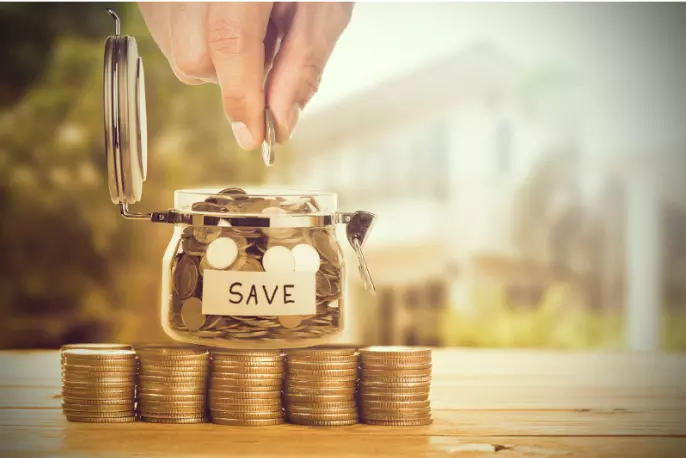
Person planning financial accounts on desk
Cash-Flow Awareness

Knowing where every dollar goes builds total peace of mind.

Expense Clarity

Understanding Income and Expenses

Effective money management begins with total clarity on all incoming and outgoing financial streams. Distinguishing fixed obligations from flexible lifestyle choices prevents cash leaks.

Expense Tracking

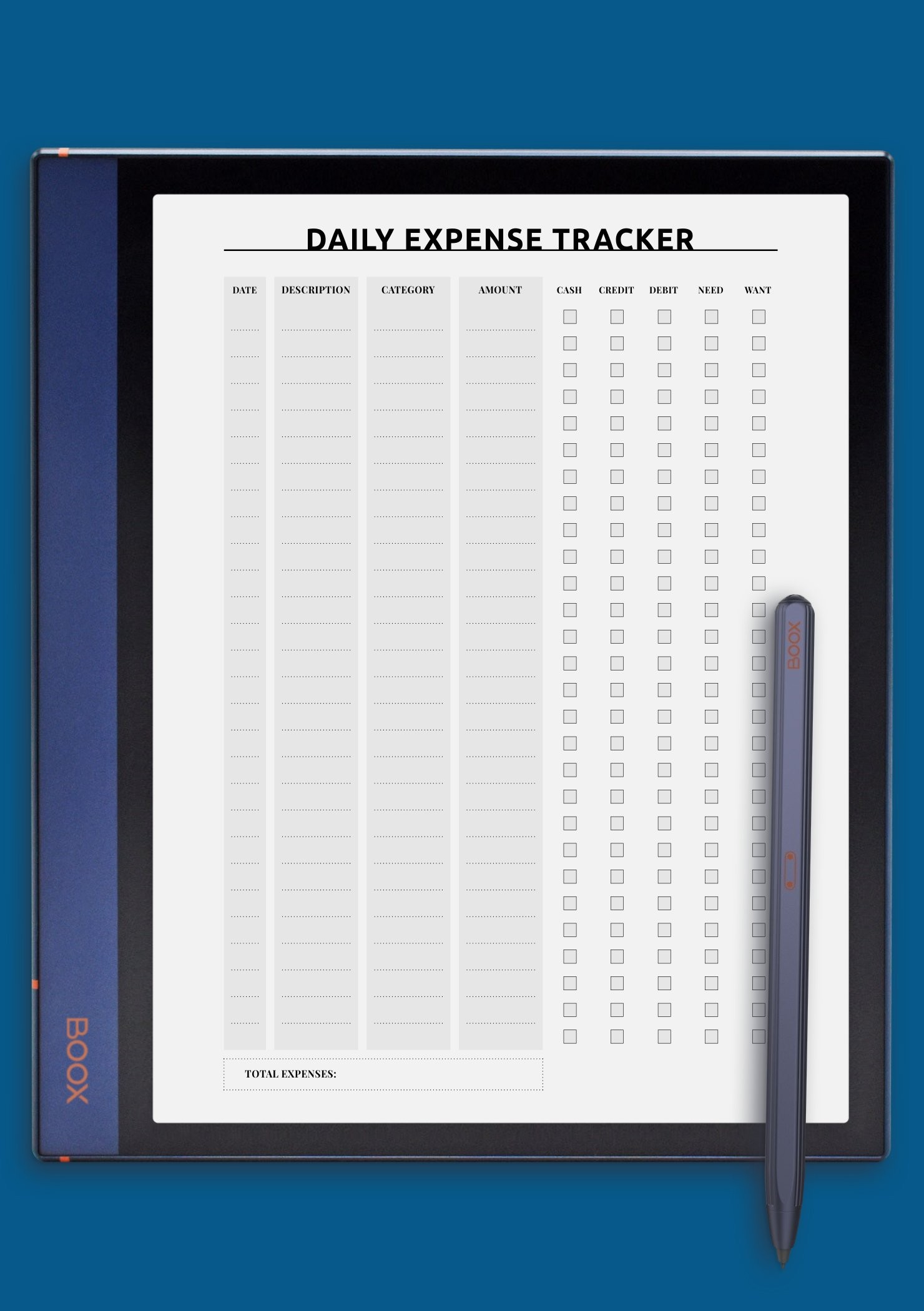
Document daily expenditures into organized buckets to identify patterns and eliminate friction.

Recurring Expense Audits

Scrutinize streaming subscriptions, software licenses, and gym memberships quarterly.

Spending Categorization

Segment transactions into Needs, Goals, and Wants to establish transparent spending boundaries.
Build Your Budget
Organization System

Financial Organization Checklist

A structured operational checklist to organize your personal financial ecosystem for maximum clarity and control.

Calculate Net Monthly Income

Establish exact take-home pay after tax withholdings, healthcare, and baseline deductions.

Separate Fixed from Variable Costs

List non-negotiable obligations (rent/mortgage, utilities, insurance) separately from grocery and transport estimates.

Establish Dedicated Accounts

Maintain separate banking accounts for operational bills, emergency savings, and discretionary lifestyle spending.

Set Calendar Review Reminders

Designate 20 minutes at the end of each month to review category balances and upcoming seasonal expenses.

Archive Financial Documents

Store tax returns, insurance policies, and annual statements in an organized, encrypted digital archive.

Define Clear Spending Thresholds

Set hard monthly caps on dining out, shopping, and entertainment to ensure savings targets remain uncompromised.

Core Habits

Money Management Habits

Consistent daily and monthly practices that maintain financial equilibrium and prevent monetary stress.

Tracking daily expenses Daily Habit

Track Spending Daily

Logging expenses immediately creates intentional mindfulness and prevents mindless budget overruns.

Reviewing subscriptions and contracts Monthly Habit

Review Subscriptions

Cancel unused digital services and negotiate recurring bills periodically to keep overhead low.

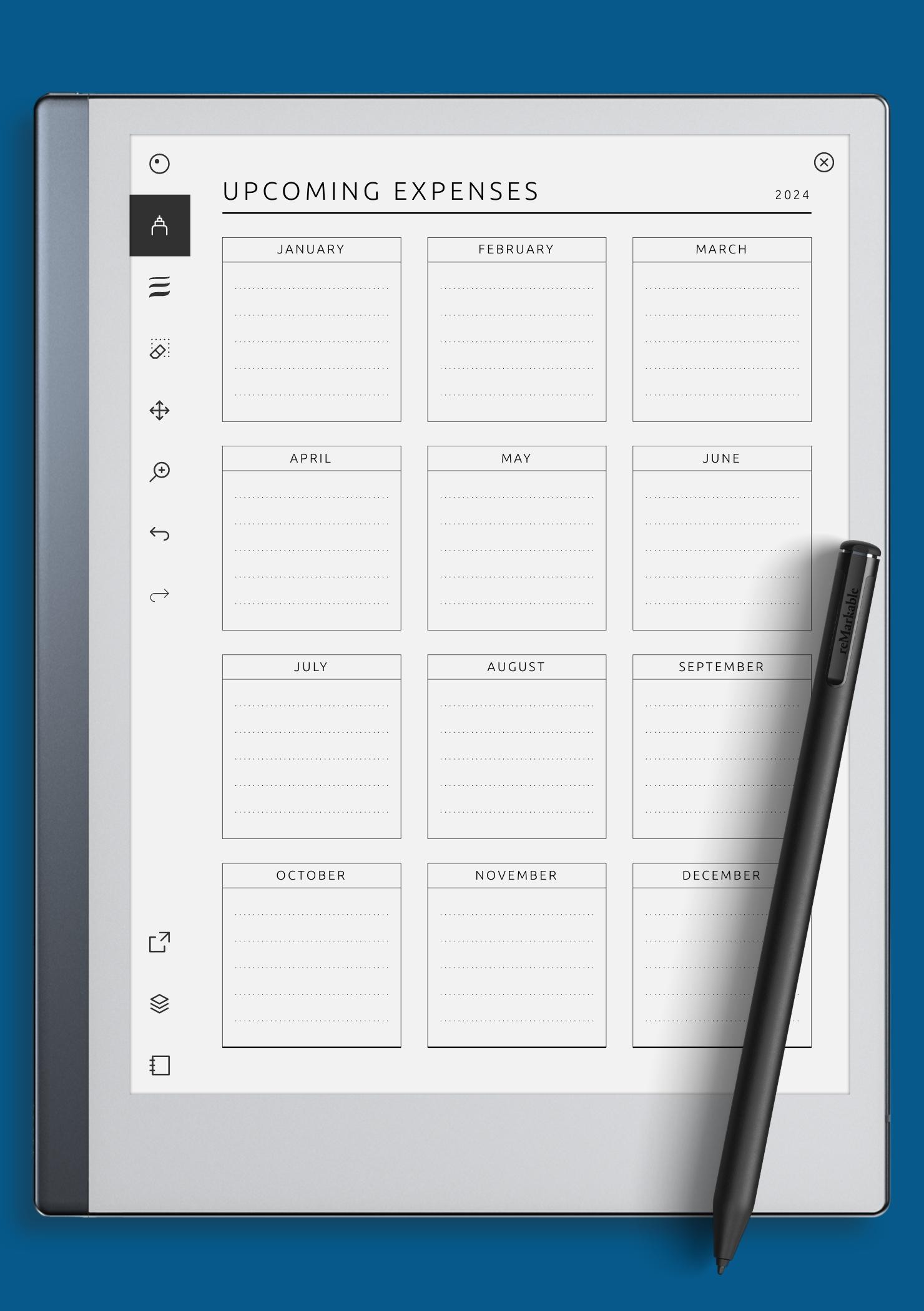
Planning upcoming quarterly expenses Quarterly Habit

Plan Upcoming Expenses

Anticipate holidays, vehicle maintenance, and annual insurance renewals by creating sinking funds.

Setting financial priorities in business Strategic Habit

Set Financial Priorities

Align every single spending category with your most meaningful long-term life objectives.

Reviewing monthly financial growth Review Habit

Review Monthly Progress

Compare actual monthly spending against your target budget to fine-tune future allocations.

Maintaining savings discipline Wealth Habit

Maintain Cash-Flow Discipline

Never spend future projected income until funds have been cleared and categorized in your accounts.

FAQs

Money Management FAQs

Practical solutions for handling everyday cash flow and financial organization.

What is the best way to handle irregular income?
Calculate your lowest baseline monthly earning over the previous twelve months and build your core essential living budget around that number. During higher-earning months, route surplus revenue into a dedicated income buffer account to cover future lean cycles.
How many bank accounts should I maintain?
A standard practical setup includes at least three accounts: an Operating Checking Account for regular bills, an Emergency High-Yield Savings Account for liquid safety reserves, and a Sinking Fund Account for medium-term goals.
How can I curb emotional impulse buying?
Implement a 72-hour cooling-off rule for all non-essential purchases exceeding a specific amount. If you still find genuine value in the item after three days and have sufficient allocated flexible spending, you can proceed.

Upgrade Your Daily Financial Discipline

Continue learning with our structured saving and budgeting frameworks or explore long-term investment principles.