

Capital Discipline

Strategic Saving & Budgeting

Transform your financial trajectory with time-tested budgeting models, consistent saving habits, and resilient emergency buffers.

Core Hierarchy

The Strategic Budgeting Framework

A step-by-step prioritization hierarchy that ensures every dollar is allocated to its most impactful purpose before discretionary spending occurs.

1. Total Monthly Income

Establish baseline net earnings from all verified cash flow sources.

100% Inflow

2. Essential Expenses (Needs)

Non-negotiables: Shelter, essential groceries, healthcare, debt minimums.

Target: ~50%

3. Emergency Savings Buffer

Dedicated automated liquidity allocation until 3-6 months reserves are reached.

Priority Shield

4. Long-Term Financial Goals

Retirement vehicles, diversified index investments, accelerated principal payoffs.

Target: ~20%

5. Flexible Lifestyle Spending

Guilt-free discretionary funding for dining out, leisure, travel, and personal hobbies.

Target: ~30%
Methodologies

Popular Budgeting Models

Select an intentional budgeting methodology that matches your lifestyle, cash-flow cadence, and temperament.

50 30 20 Rule Budgeting Proportional

The 50/30/20 Framework

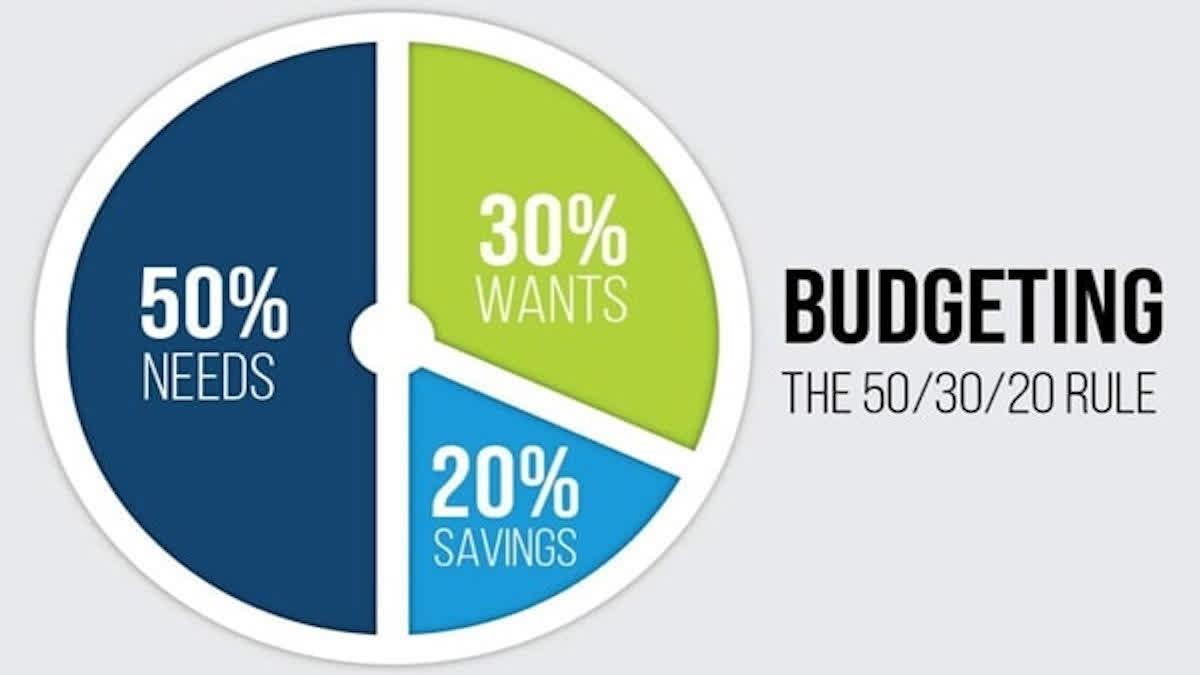
Distribute 50% of take-home pay to essential needs, 30% to discretionary wants, and 20% to savings and debt reduction.

Zero Based Budgeting Notebook Precise

Zero-Based Budgeting

Allocate every single dollar to a specific job before the month starts so that Total Income minus Total Allocations equals zero.

Envelope Budgeting System Disciplined

Digital Envelope System

Segment discretionary allowances into separate digital sub-accounts. Once the designated sub-account hits zero, spending ceases.

Smart Behaviors

Smart Saving Habits for Lasting Resilience

Consistent saving is built on continuous small habits rather than sporadic extreme frugality. Adopting systemic money behaviors protects your cash flow.

The Pay-Yourself-First Rule

Transfer money into savings on the day income arrives before paying variable daily lifestyle bills.

Targeted Sinking Funds

Create earmarked buckets for anticipated yearly costs like car maintenance, dental checkups, and gifts.

Capture High-Yield Interest

Keep your emergency fund in accounts offering competitive yield rates to preserve purchasing power against inflation.

Incremental Savings Escalation

Whenever you receive a raise or bonus, allocate at least 50% of the increase directly into savings.

Ask a Budget Question
Plant growing out of coins representing savings growth
Compound Accumulation

Small consistent contributions yield substantial long-term wealth.

Action Plan

Financial Goals Checklist

Practical benchmarks to ensure your savings structure is fully insulated, prioritized, and on track.

Phase 1: Starter Safety Net

Accumulate an immediate liquid cushion of 1 month of living expenses to eliminate short-term stress.

Phase 2: Eliminate High-Interest Debt

Aggressively tackle balances with double-digit interest rates using either the Avalanche or Snowball method.

Phase 3: Full 3-6 Month Emergency Fund

Expand liquid safety reserves in a high-yield account to cover all essential survival costs for six months.

Phase 4: Sinking Funds for Known Events

Establish automated sub-accounts for vehicle replacements, home repairs, medical deductibles, and holidays.

Phase 5: Maximize Long-Term Contributions

Direct all remaining surplus cash into diversified, tax-advantaged retirement accounts and long-term funds.

Phase 6: Annual Budget Recalibration

Review inflation adjustments, insurance policy premiums, and changing family requirements once every year.

Saving FAQs

Frequently Asked Questions

Key answers on budgeting frameworks, emergency funds, and consistent saving habits.

How much should I keep in an emergency fund?
The standard recommendation is 3 to 6 months of essential living expenses (housing, groceries, utilities, loan minimums). If you have fluctuating freelance income, consider maintaining 6 to 9 months for additional peace of mind.
Should I pay off debt or save money first?
Start by building a modest starter emergency cushion (1 month of expenses). Once secured, direct all aggressive surplus toward high-interest consumer debt before building a full 6-month emergency reserve.
How can I stick to a budget without feeling deprived?
Always allocate a realistic guilt-free spending category (typically 20% to 30% of income). When personal hobbies and social outings are intentionally funded upfront, you can enjoy them without jeopardizing core savings goals.

Have Questions About Saving Strategies?

Reach out to our financial editorial team or explore our investment fundamentals to see how saved capital can be put to work.